Hydrogeological Investigations
Mapping aquifers, groundwater exploration, assessing recharge–discharge zones, and evaluating groundwater availability for sustainable use.
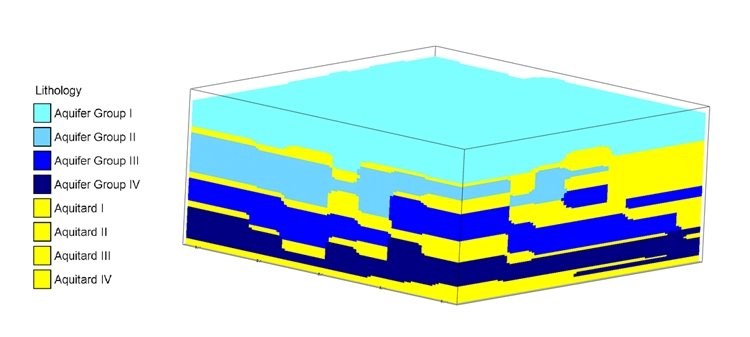
Mapping aquifers, groundwater exploration, assessing recharge–discharge zones, and evaluating groundwater availability for sustainable use.
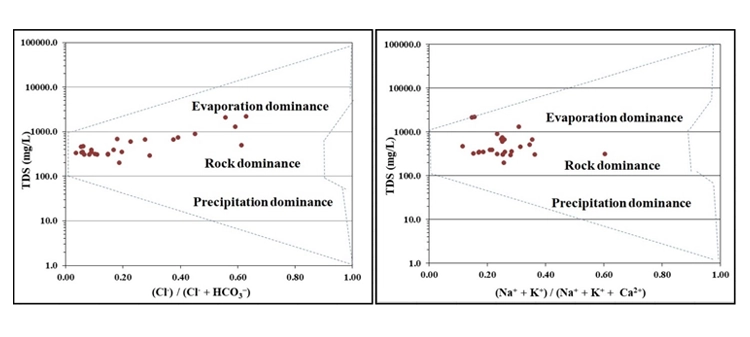
Detailed chemical analysis of groundwater and surface water to identify contaminants and water suitability for drinking, agriculture, and industry.
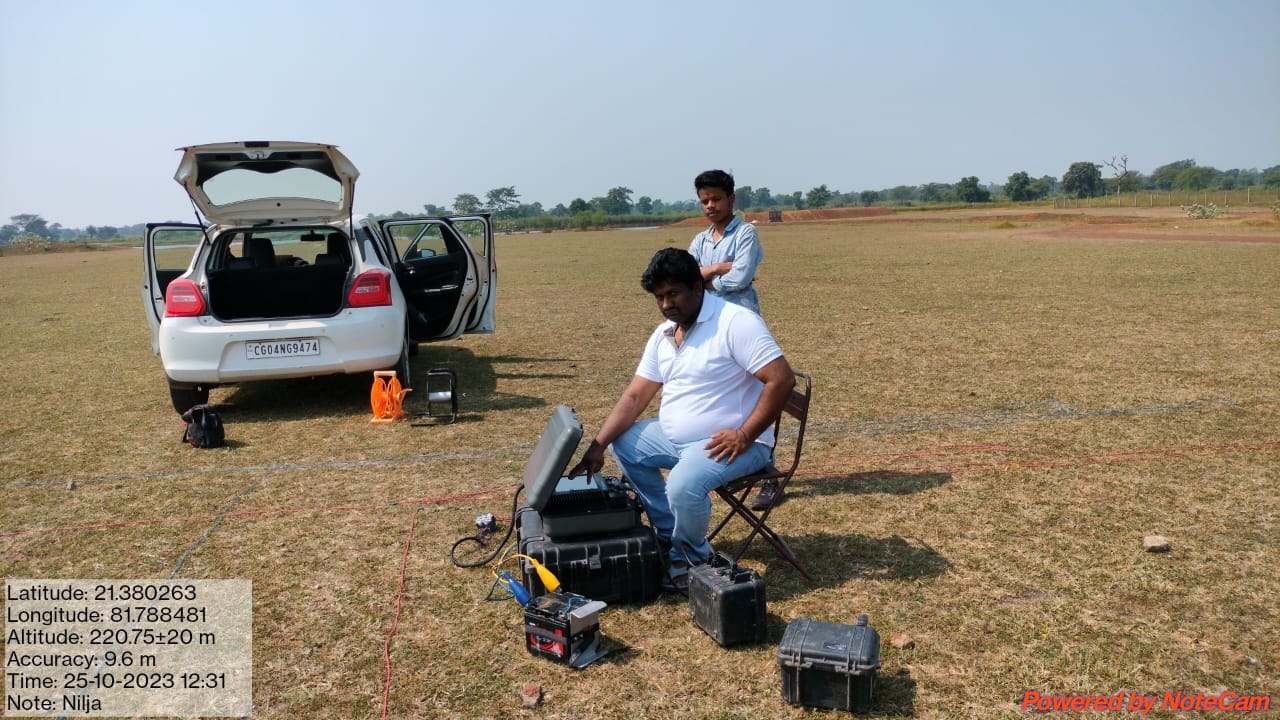
Subsurface surveys using electrical resistivity, seismic, and electromagnetic methods to locate aquifers, recharge zones, and contamination pathways.
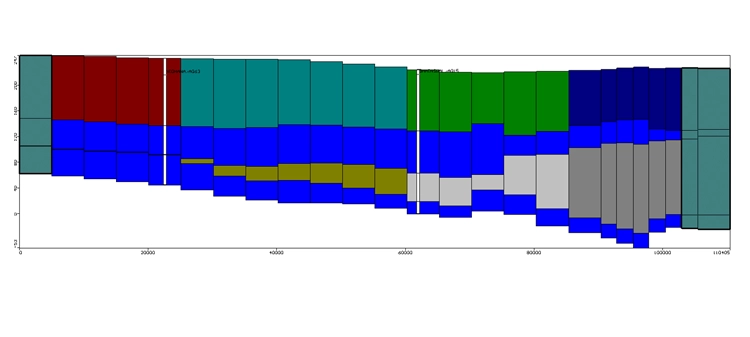
Numerical simulation of groundwater flow and contaminant transport to predict aquifer responses to pumping, climate change, and recharge interventions.
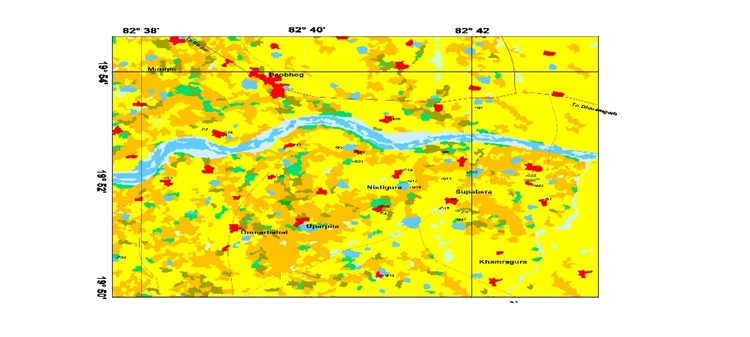
Application of satellite data and geospatial tools for watershed mapping, flood/drought monitoring, land use change detection, and water resource planning.
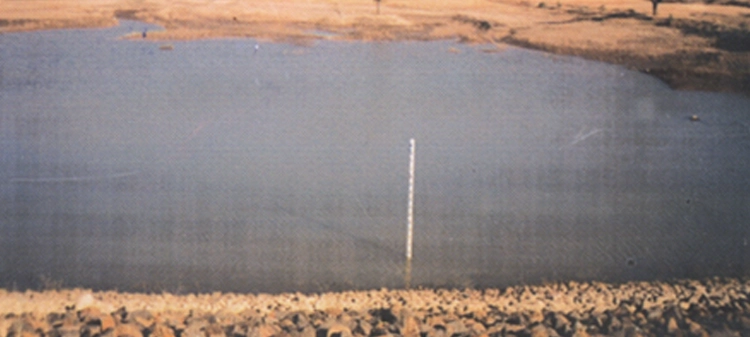
Design, implementation, and monitoring of artificial recharge structures such as recharge wells, percolation tanks, and check dams.
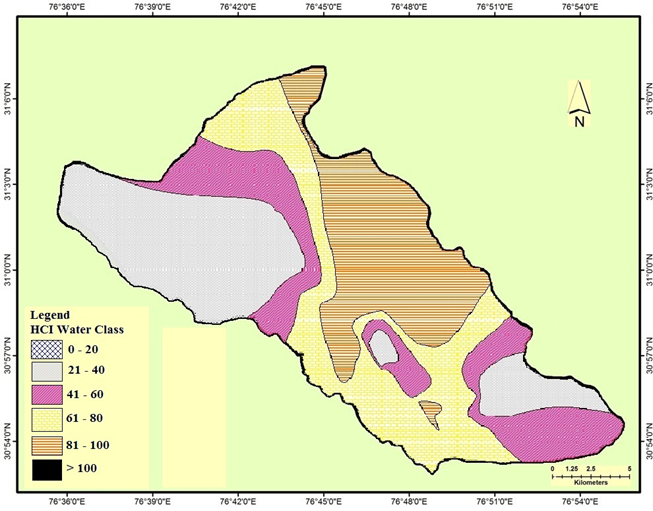
Development of indices to assess water quality, geochemical evolution, and long-term trends in aquifer health.
Linking water contamination with public health outcomes, quantifying exposure risks, and supporting health policy development.
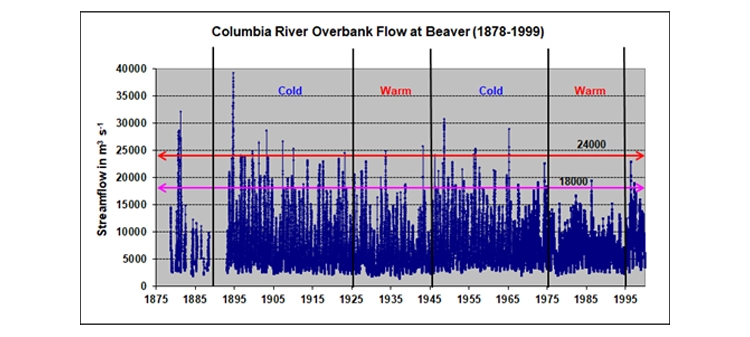
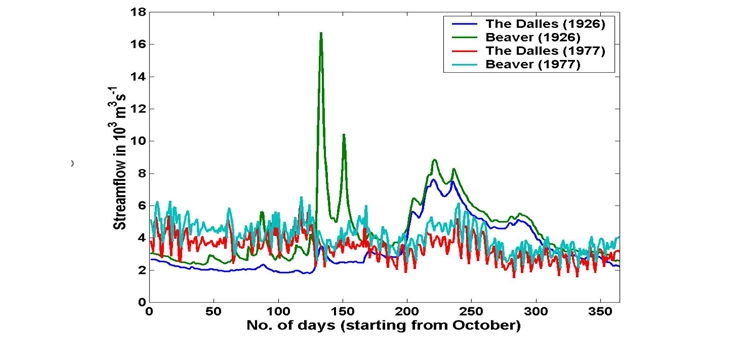
Measurement and analysis of river discharge, rainfall–runoff relationships, and basin-scale water balance to guide water management.
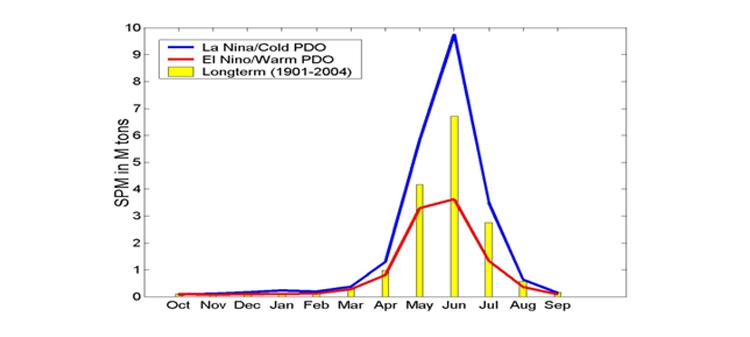
Simulation of erosion, sediment yield, and deposition patterns in rivers and reservoirs to support flood control and reservoir management.
Assessment of climate variability and change on hydrological systems, extreme events, cryosphere contributions, and water security.
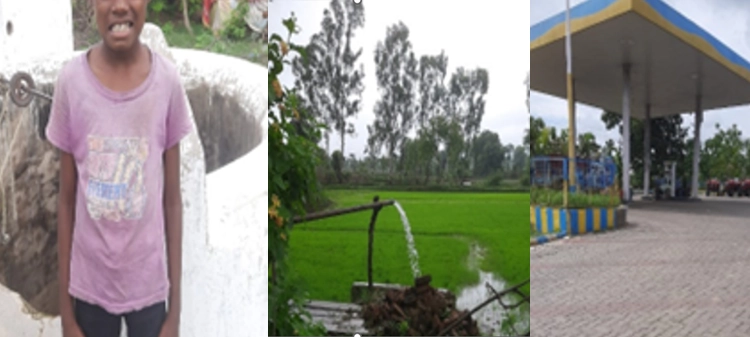
Comprehensive evaluation of the hydrological, ecological, and socio-economic effects of infrastructure and development projects.
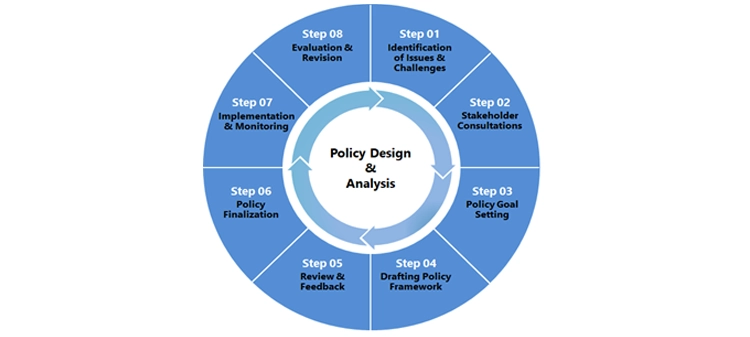
Evidence-based policy recommendations for groundwater regulation, water allocation, environmental flows, and transboundary governance.
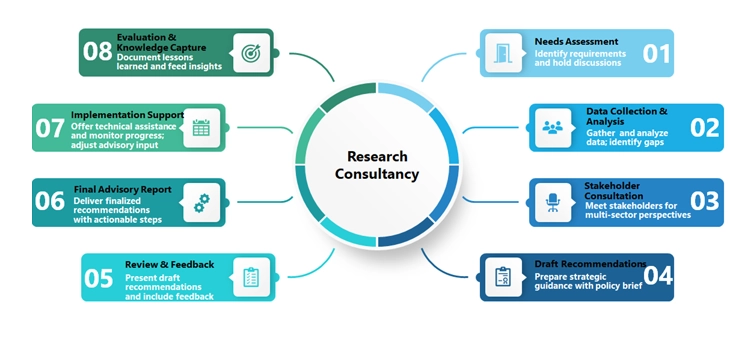
Advisory services and collaborative research tailored to government agencies, industries, NGOs, and international organizations.
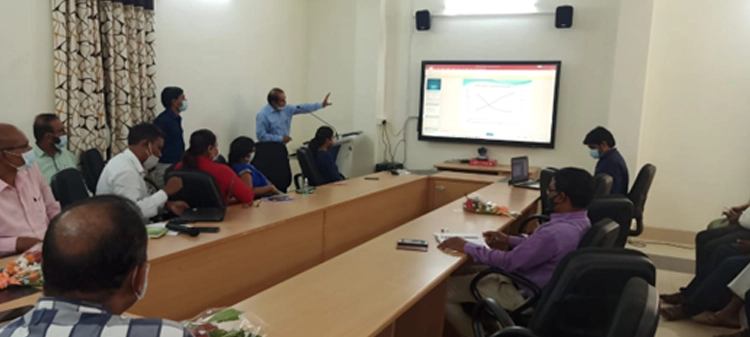
Capacity-building programs, workshops, and hands-on training for students, professionals, and community groups in hydrology, environment, and communication.