- Call Us:- +91 7326070444 / +91 674 2913291
- Mon - Fri: 09.00AM to 06.00PM
Our Services

- Hydrogeological Investigations
- Hydrogeochemical Investigations
- Geophysical Investigations
- Groundwater Modelling
- Remote Sensing and GIS
- Managed Aquifer Recharge (MAR)
- Geochemical Indexing
- Human Health Risk Assessment
- Hydrological Investigations
- Sediment Transport Modelling
- Human and Climate Impact Studies
- Environmental Impact Assessment (EIA)
- Policy Design and Analysis
- Research Consultancy
- Need-based Training
Groundwater Usage Characterization in a Tribal Stretch infected with Chronic Kidney Disease of Unknown Etiology (CKDu)
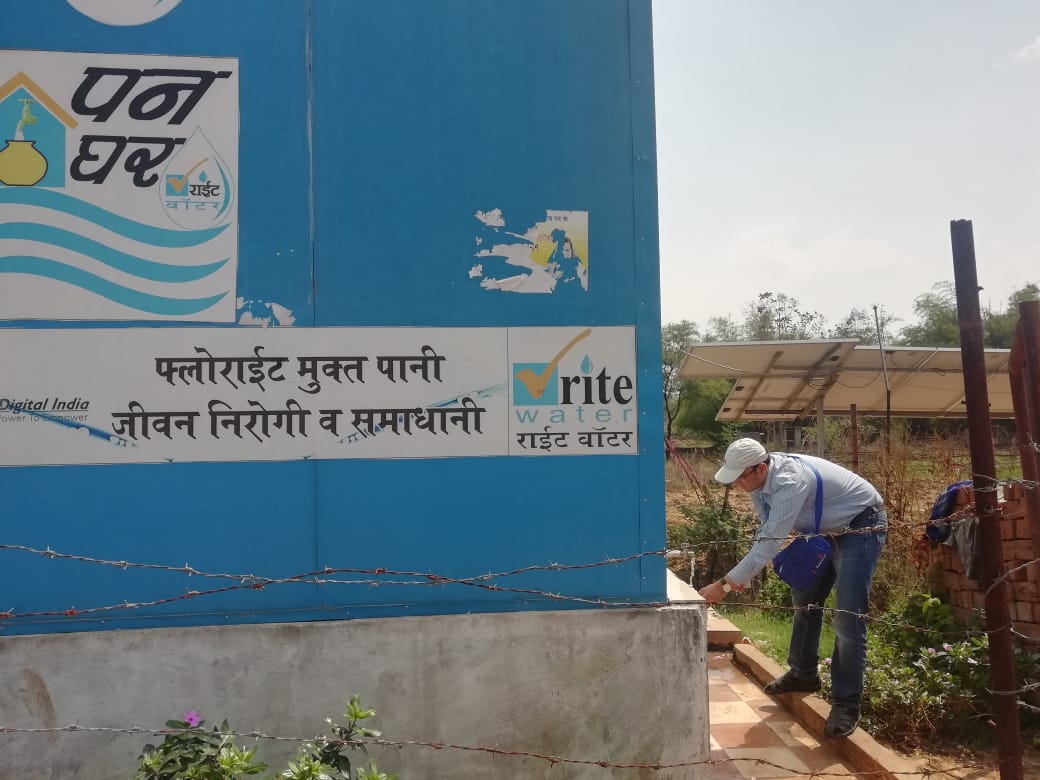
There is growing global concern in CKDu-infected regions regarding the quality of groundwater for various uses—drinking, agricultural, and industrial. This concern is further intensified by recent studies worldwide that increasingly implicate groundwater as a potential causative factor in the onset and progression of CKDu.
The Supebeda region in Chhattisgarh State, central India, reflects similar anxieties. CKDu is a relatively new health issue in this part of the world. Even before any medical investigation by health authorities, local residents had already attributed the rising renal failures to groundwater contamination. Since then, they have been raising pertinent questions regarding groundwater usage, placing pressure on government authorities—who have often struggled to respond with clarity.
This project addresses several of these community concerns:
- Is the groundwater potable?
- Is there a link between drinking water and CKDu?
- Is groundwater suitable for agriculture?
- Will groundwater quality affect the Government’s piped water supply efforts under the National Jal Jeevan Mission, which depends on high-yielding borewells?
- Is groundwater fit for industrial use, especially in light of government plans to industrialize the region for economic development and tribal upliftment?
Key findings from the study include:
- Of the 27 groundwater samples collected from strategic locations, 52% were found potable, while 37% were partially potable and would require adequate treatment before being used for drinking.
- Elevated levels of alkaline earth metals (calcium and magnesium) and bicarbonate in some samples have resulted in water hardness.
- Nitrate and fluoride concentrations exceed permissible limits in more than 25% of the samples.
While this study does not conclusively establish a link between drinking water quality and CKDu, it strongly hypothesizes the role of Hofmeister phenomena—as discussed in the previous project—in the disease’s onset. Further in-depth research is needed to explore how Hofmeister ions might promote metal–protein complexation and contribute to protein denaturation in the kidneys.
For agricultural suitability, ten historically established irrigation water quality indices were applied, most of which classified the groundwater as suitable for agricultural use. However, corrosivity indices indicate that the groundwater has moderate to high corrosive potential. This underscores the need for careful selection of materials in the design of water supply infrastructure and any future industrial applications.
Please read the Full Paper here: https://doi.org/10.1016/j.jes.2025.02.037